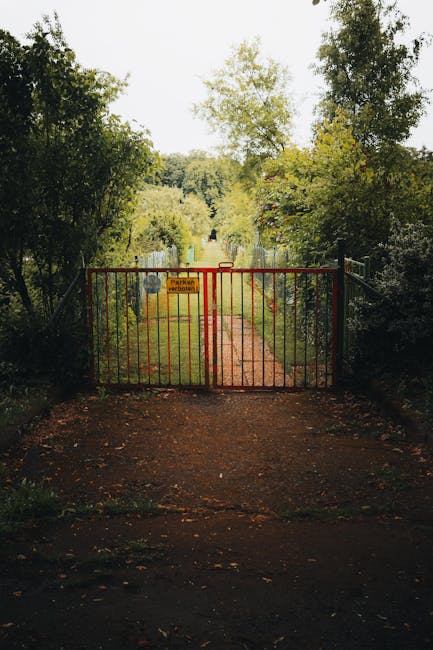
What to know about access problems for Barnet gardeners
If you have ever tried to move a mower through a side alley, carry a sack of soil past a bin store, or turn a hedge trimmer around a tight corner, you already know the basic issue: access can make or break a gardening job. What to know about access problems for Barnet gardeners is not just about getting through a gate. It is about planning a visit properly, reducing risk, protecting your property, and making sure the work is finished efficiently rather than in a muddle.
In Barnet, access issues come in many shapes. Some gardens are tucked behind terraced homes with narrow passages. Others have steep steps, shared entrances, awkward parking, or delicate surfaces that cannot take heavy equipment. Truth be told, these are the details that separate a smooth visit from a stressful one. This guide walks through what access problems mean in practice, why they matter, how gardeners usually handle them, and what you can do to make everything easier on the day.
For a broader look at how services are organised, you can also browse the services overview and the company's approach to who they are, insurance and safety, and health and safety.
Table of Contents
- Why access problems matter
- How access issues affect garden work
- Key benefits of planning access properly
- Who needs to think about access
- Step-by-step guidance
- Expert tips for better results
- Common mistakes to avoid
- Tools, resources and recommendations
- Law, compliance and best practice
- Options and comparison table
- Case study or real-world example
- Practical checklist
- Conclusion
- Frequently asked questions
Why access problems for Barnet gardeners matter
Access problems matter because they affect everything that happens before the first plant is even touched. If a gardener cannot get equipment in safely, cannot park close enough, or cannot move waste out without damaging a path, the job becomes slower, more expensive, and more likely to go wrong. That sounds obvious, but it is exactly where many jobs run into friction.
In Barnet, access can be tricky for very ordinary reasons. A front gate might be too narrow for a wheelbarrow. A rear alley might be shared with neighbours and partially blocked by bikes or bins. A steep driveway might look fine in daylight but become awkward once bags of soil or damp green waste are involved. On older streets, parking can be tight too, which adds another layer of planning.
Why does this matter to you as a homeowner or landlord? Because access affects not only convenience but also cost, timings, and the quality of the finish. If a gardener has to carry material by hand over a long distance, that labour has to be allowed for. If heavy items need to be broken down first, that can change the method. And if there is a risk of damage to paving, fences, or interior hallways, the work needs extra care. No one wants the job done quickly if it leaves scratches on the patio. Been there, seen that, not ideal.
Access issues also matter for safety. A cluttered route increases trip hazards. Poor lighting in a side passage makes early or late work harder. Wet leaves on a narrow step can become a slip risk. These are small things until they are not. Then they are the whole job.
How access problems for Barnet gardeners works
Access planning usually starts before the gardener arrives. A good quote or booking process should ask practical questions: How is the garden reached? Is there parking nearby? Are there steps, locked gates, shared passages, or surfaces that need protection? Can tools and waste move through the property without disruption? The more clearly this is understood in advance, the smoother the work will be.
For a simple lawn cut, the access demands may be light. For hedge trimming, garden clearance, tree work, or landscaping, access becomes more important because the equipment and waste volume are greater. A long carry distance can change the crew size, the schedule, and sometimes the job method itself.
There are usually three parts to the access question:
- Entry - how the team gets into the garden or work area.
- Movement - how tools, materials, and waste move around the site.
- Exit - how waste leaves the site without leaving a trail of mud, scratches, or blocked routes.
That may sound formal, but it is just practical garden work. If a gardener knows the route, they can bring the right gear, choose the right vehicle setup, and plan the order of tasks sensibly. A clear path to the rear gate might mean a tidy, efficient visit. A locked gate with no key left out? Well, that is a different story entirely.
When access is difficult, the team may suggest adjustments such as bringing smaller tools, splitting the work into stages, using bags instead of loose waste, or arranging an additional person to help with lifting and carrying. For more labour-heavy work, the team might also suggest checking the details on garden clearance, tree lopping and removal, or landscaping so expectations match the realities on site.
Key benefits and practical advantages
Getting access sorted properly brings benefits that are easy to underestimate. The first is speed. A team that can move freely through the space tends to work in a more organised way. They are not constantly detouring around bins, moving tools back and forth, or hunting for a safe place to stage materials.
The second is lower risk. Clear access reduces the chance of damaged walls, broken planters, bent trellis panels, scuffed flooring, or accidents on wet steps. If you have ever watched someone trying to reverse a full wheelbarrow through a narrow gap in the drizzle, you know why this matters. It is not exactly elegant.
The third is better value. Access that is well planned usually helps the gardener give a more accurate quote. That means fewer surprises later. When access is poor but unspoken, the job can take longer than expected, and nobody enjoys awkward conversations halfway through.
There is also a customer experience benefit. The day feels calmer when everyone knows where to park, where to enter, where to leave waste, and which areas must stay untouched. A little clarity goes a long way.
Expert summary: access problems are not just a logistical inconvenience; they shape labour time, equipment choice, safety, and the likelihood of a neat finish. The earlier they are identified, the more control you keep over cost and quality.
Who this is for and when it makes sense
This topic matters to quite a few people in Barnet, not just homeowners with tight side access. Landlords, managing agents, homeowners' associations, and people preparing a property for sale or rental all benefit from thinking about access in advance.
You especially need to pay attention if:
- the garden is behind a terrace or maisonette
- there is no rear access and all work must pass through the house
- parking is limited or permit-based
- the garden is on a slope, with steps or uneven levels
- there are mature shrubs, old fencing, or stored items narrowing the route
- the job involves heavy waste, soil, timber, or materials
- you need repeated visits rather than a one-off tidy-up
It also matters if you are booking maintenance rather than a single clearance. Regular visits can be easier if the access route stays predictable, but they can also become frustrating if the route is constantly blocked by household routines. In those cases, a simple note on the day and a bit of pre-arrangement help a lot.
If the work is mainly routine upkeep, it may be worth exploring garden maintenance, lawn mowing, or hedge trimming so the access requirements match the type of service rather than being guessed at the last minute.
Step-by-step guidance
If you want to reduce access problems before a gardening visit, use a simple process. It does not need to be complicated.
- Walk the route yourself. Start at the street and follow the exact path the gardener will need to take. Notice narrow points, locked gates, steps, low branches, loose paving, and anything you would rather not have carried over.
- Measure the tight spots. You do not need a surveyor's report. A rough width for gates, alleys, and side entrances is often enough to tell whether larger tools can fit comfortably.
- Think about parking. Where can a vehicle stop without blocking traffic, driveways, or neighbours? If parking is difficult, say so early. It gives everyone time to plan. No one enjoys the "I'll just leave it here" approach on a busy street.
- Clear the route. Move bins, hoses, toys, plant pots, and garden furniture out of the way. Even a small obstruction can slow movement when hands are full.
- Check for fragile surfaces. Fresh decking, loose slabs, artificial turf edges, indoor hallways, or delicate gravel can all need extra care. Mention them.
- Confirm the waste plan. Ask how green waste will be removed and where it should be staged. If waste must be carried through the house, that should be discussed beforehand.
- Share any special instructions. Keys, alarms, pets, neighbour sensitivities, timing restrictions, or shared entrances should all be flagged early.
- Review the quote against the access reality. If the gardener has asked the right questions, the quote should make sense for the route and the workload. If something feels off, ask.
A small detail can save a lot of stress. For example, leaving one gate latch open or one alley clear for the morning can make the whole visit feel less crowded and a lot less rushed. Simple, but effective.
Expert tips for better results
Here are the habits that usually make the biggest difference, especially on tighter Barnet properties.
- Send photos if asked. A few clear pictures of the route, the gate, the rear access, and the garden itself often tell a gardener more than a long message.
- Be honest about the awkward bits. If the access is poor, say so. It is better to sound overly cautious than to spring a surprise on the day.
- Keep access consistent for repeat visits. Regular maintenance goes more smoothly when the route stays the same each time.
- Protect indoor floors if the route crosses the house. If waste or tools need to be moved through inside areas, agree in advance how that will be handled.
- Choose the right service type. A job that involves bulky waste may be better suited to a clearance visit rather than squeezed into a quick tidy-up.
- Ask about equipment size. Some jobs can be completed with compact tools; others need larger machinery or more carrying room. That is not a problem, but it does need planning.
One practical tip that is often overlooked: check access at the time the work will happen, not just in daylight the day before. Early morning damp, parked cars, moving bins, or school-run traffic can change the picture completely. Small thing, big difference.
You may also want to look at pages that explain the service in more detail, such as landscape gardening and decking services, because larger projects tend to have the most access-related constraints.
Common mistakes to avoid
A lot of access problems are avoidable. The trouble is, they are easy to ignore until they become expensive or annoying.
- Assuming the gardener will "just manage". They might manage, yes, but often by taking longer or working less efficiently than necessary.
- Forgetting about waste removal. A route that is fine for tools may still be poor for bags of waste, branches, or rubble.
- Blocking the access route on the day. Bins out, toys on the path, or a car parked across the only workable entrance can derail a morning.
- Only mentioning access after the quote is accepted. That is a classic. The quote may no longer reflect the real job.
- Ignoring safety hazards. Slippery steps, unstable paving, overgrown thorny plants, and poor lighting all matter.
- Not checking shared access arrangements. If a passage or driveway is shared, the gardener may need extra coordination.
To be fair, nobody remembers every detail every time. But the most common mistake is underestimating the impact of a short, narrow or awkward route. A few extra steps sound harmless until a full bucket of cuttings has to be carried back and forth ten times.
Tools, resources and recommendations
You do not need a pile of specialist equipment to manage access well. Most of the work is in preparation and communication.
Helpful items include:
- a tape measure for gates, paths, and side passages
- phone photos or a short video of the route
- bin bags, tarps, and containers for staging waste
- dust sheets or floor protection if work crosses indoor space
- basic outdoor lighting for early or late visits
- a simple note with gate codes, key instructions, or parking details
For customers who want to understand the company's standards around handling property and site safety, it is sensible to read the pages on insurance and safety and health and safety policy. If the job creates waste, the page on recycling and sustainability is also useful because access and waste handling often go hand in hand.
And if you are comparing service levels or trying to understand what is included in a visit, the pricing and quotes page is worth a look. Clear access does not just make a job easier; it can also make pricing clearer. That helps everyone.
Law, compliance, standards and best practice
Access issues in garden work are usually practical rather than legal, but they still sit within a broader framework of safety and responsibility. In the UK, work should be carried out in a way that avoids unnecessary risk to workers, residents, visitors, and neighbouring properties. The exact obligations depend on the type of work, the site, and who is involved, so it is better to speak cautiously rather than pretend there is one single rule that covers every situation.
Best practice generally means:
- checking for hazards before work begins
- planning safe movement routes for people and equipment
- using equipment that fits the access conditions
- protecting floors, walls, and vulnerable surfaces where needed
- making clear arrangements for waste, keys, and entry points
- keeping communication open if conditions change on the day
Insurance matters too. If a tool catches a door frame or a heavy bag damages a surface, both the customer and the gardener want to know the job was approached carefully. That is one reason reputable businesses place so much emphasis on site awareness and method. It is not paperwork for the sake of it. It is there because odd little access problems can become costly very quickly.
There is also a professionalism angle. A gardener who asks the right questions before arriving is showing due care. That tends to be a good sign. It means they are thinking like a contractor, not just turning up with a van and optimism. Which, let's face it, is not enough.
Options, methods, or comparison table
Different access problems call for different responses. The table below gives a practical comparison of common approaches.
| Access situation | Typical challenge | Best approach | What to watch out for |
|---|---|---|---|
| Narrow side passage | Limited room for tools and waste | Use smaller equipment and staged trips | Scratches, trip hazards, and turning space |
| Rear garden with no direct gate | All materials may need to go through the house | Protect indoor surfaces and agree a clear route | Floor protection, dust, and congestion |
| Shared alley or driveway | Access depends on neighbours or shared use | Coordinate timing and keep the route clear | Blockages, disputes, and delays |
| Steep steps or sloped ground | Carrying tools or waste becomes more difficult | Use careful lifting, smaller loads, and stable footing | Slip risk and fatigue |
| Tight parking on a busy road | Longer carrying distance from vehicle to garden | Plan arrival times and allow extra labour time | Parking restrictions and time loss |
As a rule of thumb, the more awkward the access, the more important it is to break the job into sensible stages. Sometimes the answer is not bigger equipment. It is smarter sequencing.
Case study or real-world example
A typical Barnet scenario goes something like this. A homeowner wants a heavy hedge cut back, the borders tidied, and some accumulated waste removed. The front of the property looks straightforward. But the rear garden is only reachable through a narrow side passage with one bend, two steps, and a bin store right in the middle. The homeowner thinks the space is "probably fine". The gardener takes one look and immediately knows the route will be the limiting factor.
Instead of forcing large waste bags through the tightest point, the gardener breaks the work into smaller loads and stages the cuttings in a safe corner. The homeowner moves the bins the evening before. A neighbour is told not to block the shared section of the passage. The result? The job takes longer than a straightforward access case, but it runs calmly, without damage and without constant stop-start interruptions.
That is the real lesson. Difficult access does not automatically mean a bad outcome. It just means the work has to be organised more carefully. When people are honest about the constraints early, everyone wins a bit.
Practical checklist
Use this checklist before a gardening visit if access may be awkward.
- Have I walked the route from the street to the garden?
- Are gate widths, steps, and turns clearly understood?
- Is parking available close enough for the planned work?
- Have I told the gardener about shared access or locked gates?
- Are bins, bikes, furniture, and toys moved out of the way?
- Do any indoor areas need covering or floor protection?
- Have I mentioned fragile surfaces, uneven paving, or slippery areas?
- Is the waste plan clear?
- Have I shared any timing issues, neighbour concerns, or pet arrangements?
- Does the quote seem to reflect the actual difficulty of the access?
Quick takeaway: if you can make the route obvious, clear, and safe before the team arrives, you remove most of the avoidable friction from the job.
Conclusion
Access problems are one of those things people only think about after they have caused a delay. The good news is that they are usually manageable. A narrow gate, awkward parking, a shared alley, or a few steps do not have to ruin a gardening job. They simply need proper planning, honest communication, and a realistic approach to how the work will be carried out.
For Barnet gardens especially, the difference between a smooth visit and a stressful one often comes down to small details: where the van can stop, whether the route is clear, how waste will be moved, and whether everyone knows what to expect. Get those basics right and the whole job feels easier. Less scrambling, less guesswork, fewer surprises. That is usually what people want most, even if they do not say it that way.
If you are comparing services or preparing for a visit, it can help to review the provider's approach to complaints procedure, accessibility statement, and the company's wider terms and conditions so expectations are clear from the start.
Get a free quote today and see how much you can save.
And if all you do is make the path clear, leave a note about parking, and mention the awkward bit early, you are already halfway there. Sometimes that is enough to turn a tricky job into a straightforward one. A small win, but a real one.
Frequently Asked Questions
What counts as an access problem for a gardener?
Any issue that makes it harder to reach, work in, or leave the garden counts as an access problem. That could be a narrow gate, shared passage, steep steps, poor parking, locked entrances, or a route that is difficult for waste and equipment.
Should I mention access issues when I ask for a quote?
Yes, absolutely. The earlier you mention them, the more accurate the quote is likely to be. A job with awkward access can take more time or require different equipment, so leaving it out only creates problems later.
Do access problems always mean extra cost?
Not always, but they often affect labour time or method. Sometimes a provider can work around the issue without changing price much. In other cases, the route, waste handling, or parking situation may make the job more time-consuming.
What should I do if my garden can only be reached through the house?
Tell the gardener in advance and agree how floors and walls will be protected. It helps to clear a route inside the property and decide where tools and waste should be staged. A little preparation goes a long way.
How can I prepare a narrow side passage for garden work?
Move bins, bikes, and loose items out of the way, check for trip hazards, and make sure the route is clear from end to end. If the passage has a tight bend, mention that too, because it can affect what equipment is practical.
What if parking is limited outside my home?
Say so early and describe the likely distance from the vehicle to the garden. In some cases, the work can still go ahead comfortably; in others, the extra carrying distance may need to be factored into the visit.
Can a gardener refuse a job because of access?
Yes, if the access is unsafe, impractical, or likely to cause damage, a gardener may choose not to proceed as originally planned. More often, they will suggest an alternative approach or adjust the scope of work.
How do access issues affect garden clearance jobs?
Garden clearance is often the most sensitive to access problems because waste volumes can be large. If bags, branches, or other material must be carried a long way, the route and staging area become especially important.
What information helps the most when I book gardening work?
Photos of the route, gate widths, parking details, any steps or slopes, and a clear note about where access is awkward. It sounds basic, but those details are usually the difference between a tidy plan and a messy guess.
Are access problems the same for every type of garden service?
No. Routine mowing or hedge cutting may need only simple access, while landscaping, clearance, decking, or tree work can require much more space and planning. The bigger the materials or equipment, the more important access becomes.
What is the best way to avoid damage when access is tight?
Use protective coverings where needed, keep the route clear, move slowly on steps or slopes, and choose smaller loads rather than forcing bulky items through a tight space. Prevention is easier than repair, as ever.
Where can I learn more about how the company handles safety and payments?
You can review the pages on health and safety policy, payment and security, and recycling and sustainability for a fuller picture of how jobs are managed responsibly.