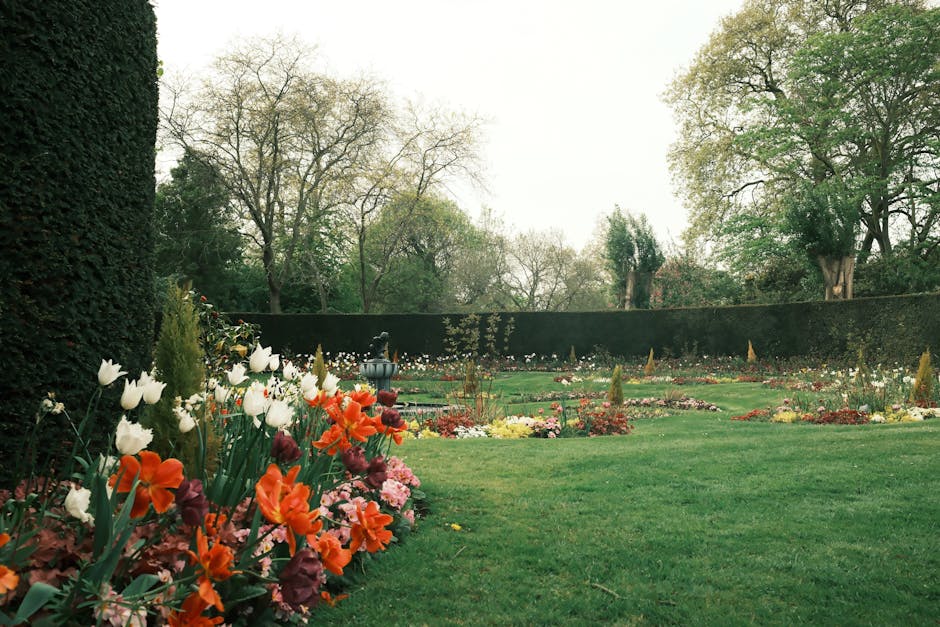
Oakleigh Park Barnet gardeners for large family gardens
If you have a big family garden in Oakleigh Park, you already know it is never quite "finished". One week the lawn looks brilliant, the next the hedge has gone wild, the border has swallowed the path, and someone has left a football in the flower bed. That is exactly where Oakleigh Park Barnet gardeners for large family gardens come in: not just to keep things tidy, but to make the whole space work properly for real life.
Large gardens need a different kind of attention. They need structure, regular maintenance, safe access, sensible planting, and a plan that can cope with children, pets, entertaining, and the odd burst of British weather. In this guide, we will look at what makes these gardens tricky, how professional support helps, and what to expect if you want a garden that feels calm, usable, and easy to live with. If you are comparing options, the services overview at Gardeners Barnet services overview is a useful place to start.
Truth be told, a large family garden can become either your best asset or your biggest chore. The difference is usually in the upkeep. And a little planning. Always a little planning.
Table of Contents
- Why Oakleigh Park Barnet gardeners for large family gardens Matters
- How Oakleigh Park Barnet gardeners for large family gardens Works
- Key Benefits and Practical Advantages
- Who This Is For and When It Makes Sense
- Step-by-Step Guidance
- Expert Tips for Better Results
- Common Mistakes to Avoid
- Tools, Resources and Recommendations
- Law, Compliance, Standards, or Best Practice
- Options, Methods, or Comparison Table
- Case Study or Real-World Example
- Practical Checklist
- Conclusion
- Frequently Asked Questions
Why Oakleigh Park Barnet gardeners for large family gardens Matters
Large gardens in Oakleigh Park tend to have a few things in common: mature planting, broad lawns, space for children to play, and more than one "zone" to keep in shape. A front garden may need clean lines and curb appeal; the rear garden might need a play area, somewhere to sit, a productive border, and screening from neighbours. In other words, it is not just a patch of grass. It is a family system.
That matters because neglected space quickly turns into stress. Long grass invites weeds. Overgrown hedging shades paths and beds. Fallen leaves clog drains and make surfaces slippery. A large garden that looks roomy can become awkward and, frankly, a bit unsafe if nobody is keeping an eye on the edges and access points.
Professional gardeners who understand larger family gardens are usually working to balance four things at once: appearance, safety, usability, and maintenance effort. That balance is what people often miss when they try to handle everything themselves. You can spend a whole Saturday cutting back one side of a hedge and still feel like nothing changed. Sound familiar?
It also matters because family use changes season by season. In spring, the space may need soft landscaping and fresh growth management. In summer, mowing and watering patterns matter. In autumn, clearance and leaf control become the job. And in winter, drainage, tree safety, and access can become more important than flowers. A good garden plan takes that rhythm seriously.
How Oakleigh Park Barnet gardeners for large family gardens Works
For most households, the process starts with understanding how the garden is actually used. Not how it looks in a brochure. How it is used on a damp Tuesday when the children want to kick a ball, the dog has churned up one corner, and the bins still need moving around the side.
From there, the work usually falls into a few practical stages:
- Assessment - looking at lawn condition, hedge height, tree cover, border shape, drainage, access, and the amount of routine care needed.
- Prioritisation - deciding what must be done first. For example, a garden clearance may be more urgent than planting, or hedge trimming may be needed before anything else feels safe and open.
- Routine maintenance - mowing, pruning, edging, weeding, deadheading, and keeping paths usable.
- Structural improvement - reshaping borders, improving lawn edges, adding decking, or creating clearer family zones.
- Seasonal review - checking what is working, what is becoming too much work, and what needs adjusting for the next season.
That is the simple version. In practice, the best results often come from a mix of regular upkeep and targeted improvement. A weekly mow alone will not rescue a garden full of awkward corners and overgrown shrubs. Likewise, a one-off makeover will not stay neat for long without upkeep. Both parts matter.
If you want a broader look at how those services fit together, the garden maintenance page explains the kind of ongoing care that keeps larger spaces manageable.
Key Benefits and Practical Advantages
A well-managed large family garden gives you more than visual appeal. It changes how the house feels day to day. Let's face it, that is the point.
- More usable space - when paths are clear, lawns are even, and borders are contained, the whole garden becomes easier to enjoy.
- Safer movement - fewer trip hazards, fewer hidden edges, and less risk from overhanging growth.
- Lower long-term effort - regular care prevents the garden becoming a massive job later on.
- Better family flow - a sensible layout can separate quiet seating from play areas, or create a path that actually makes sense.
- Healthier plants and turf - consistent maintenance keeps lawns, hedges, and trees in better condition.
- Improved kerb appeal - even large gardens that are mostly private still benefit from looking cared for, especially at the front of the property.
There is also a practical money angle, though it is not always discussed enough. Gardens that are managed well tend to avoid bigger remedial work later. Replacing a damaged lawn is more effort than keeping it mown and aerated. Clearing a neglected corner is more work than preventing it from becoming a dumping ground in the first place. Obvious, maybe, but easy to overlook.
Expert summary: Large family gardens work best when they are treated as living spaces, not just outdoor decoration. The winning formula is usually simple: regular maintenance, clear structure, and a few smart design choices that reduce future work.
Who This Is For and When It Makes Sense
This kind of service makes sense for a range of households in Oakleigh Park and the wider Barnet area. You do not need an enormous estate to benefit. In fact, many of the people who gain the most are the ones with medium-to-large gardens that have quietly become harder to handle than expected.
It is especially relevant if you:
- have children and need safe, open play space
- use the garden for family meals, gatherings, or weekend hosting
- have hedges, trees, or borders that outgrow your spare time
- want the garden to look good without spending every weekend on it
- have recently moved into a property with an established, overgrown garden
- need a better layout, not just routine mowing
It also makes sense if you feel you are doing "just enough" to stop the place becoming messy, but never enough to make it truly enjoyable. That half-managed stage is common. The garden looks fine from a distance, but up close it is draining your energy. If that is you, there is nothing odd about it. Large gardens can quietly become second jobs.
For households needing a reset, a first visit may involve a more substantial tidy-up or garden clearance before maintenance can get back on track. That is not a failure; it is often the most sensible starting point.
Step-by-Step Guidance
If you are trying to improve a large family garden without wasting time or money, a step-by-step approach helps. Here is the practical version.
- Walk the garden slowly
Look at it from the house, from the gate, and from the corners you usually ignore. Notice where the garden feels cluttered, narrow, or hard to access. - Separate the jobs
List what needs mowing, trimming, clearing, cutting back, repairing, or redesigning. It helps more than people think. - Sort urgent from optional
Anything affecting safety, access, or plant health comes first. Pretty tweaks can wait a week or two. - Create maintenance zones
Big gardens work better when they are broken into zones: play, seating, planting, storage, and circulation. - Choose a routine
Weekly or fortnightly maintenance often works better than occasional marathon sessions. Small and steady beats heroic and exhausted. - Deal with heavy growth properly
Hedges, trees, and large shrubs often need specialist care. If branches are crowding the garden or blocking light, tree lopping and removal may be part of the solution. - Keep edges and borders tidy
Good edging makes a garden look finished even when planting is simple. - Review the plan each season
What worked in July may be awkward in November. Family gardens change, and the maintenance plan should too.
A small but useful detail: if the lawn takes a pounding from football, scooters, or the dog doing laps at 6pm, do not expect it to behave like a show lawn. Choose durability over perfection. That one decision saves a lot of frustration.
Expert Tips for Better Results
After enough seasons around large gardens, a few patterns become obvious. Not glamorous ones. Useful ones.
- Keep routes open - people should be able to walk from the house to the main seating area without stepping around obstacles.
- Don't let the hedge become the schedule - if hedge work is always delayed, the whole garden starts to feel smaller. Regular hedge trimming is one of the easiest ways to keep structure.
- Use hard edges where you need peace - crisp edges around lawns and beds reduce the "messy drift" that happens in big spaces.
- Match planting to family life - low-maintenance shrubs and hardy border plants are often better than delicate, high-touch displays.
- Plan for shade and sun - large gardens often have both, sometimes in the same afternoon. Plant and sit accordingly.
- Make storage discreet - toys, tools, compost, and wheelie bins need a place. If they are always visible, the garden feels busier than it is.
One practical tip that rarely gets enough attention: do not overfill the garden. An expansive space can tempt people to add too much. Too many beds, too many features, too many "ideas". Then you spend your weekends maintaining the ideas. Keep some breathing room. The garden will thank you.
If you are considering a bigger redesign as part of the solution, landscape gardening and landscaping can help turn a difficult layout into something genuinely liveable.
Common Mistakes to Avoid
Large family gardens can go wrong in predictable ways. Not dramatically. Just slowly, which is sometimes worse.
- Waiting until everything is overgrown - by then the work becomes heavier and more expensive.
- Focusing only on mowing - grass looks neat for a day, but hedges, borders, and trees still shape the whole garden.
- Ignoring drainage and wet areas - puddles, compacted soil, and mossy patches often signal a layout or maintenance issue.
- Choosing high-maintenance planting - beautiful, yes, but often unrealistic in a busy family setting.
- Forgetting seasonal tasks - leaf clearance, pruning, and cutting back are not optional extras in a large garden.
- Letting one section dominate - if the lawn gets all the attention and the borders are left wild, the balance feels off.
And here is a simple one: trying to do all the work in one afternoon. We have all seen that plan. It usually ends with a pile of cuttings, a sore back, and a half-finished cuppa. Better to spread the work out and do it properly.
Tools, Resources and Recommendations
The right tools make a big difference, but the bigger point is choosing the right type of care. For large family gardens, a mix of routine tools and professional support usually works best.
| Need | Best approach | Why it helps |
|---|---|---|
| Lawn upkeep | Regular mowing with edge finishing | Keeps wide spaces tidy and stops the garden looking tired |
| Heavy growth | Hedge and shrub cutting, selective pruning | Prevents light loss and maintains usable space |
| Seasonal reset | Leaf clearance and waste removal | Stops clutter, mould, and slippery areas building up |
| Unsafe or awkward trees | Specialist tree assessment and removal where needed | Improves safety and protects the rest of the garden |
| Long-term structure | Landscape planning and hard landscaping improvements | Makes maintenance easier and the layout more family-friendly |
For day-to-day care, lawn mowing is still the backbone of a tidy large garden, but it is rarely enough on its own. Add trimming, weeding, and occasional clear-outs, and the space starts to hold together properly.
For a garden that has got away from you a bit, a focused clean-up from garden clearance can be the difference between a place that feels overwhelming and one that feels manageable again. That first reset is often a relief.
Law, Compliance, Standards, or Best Practice
For most residential garden work, the important point is not legal complexity; it is safe, responsible practice. Reputable gardeners should work in a way that reflects current UK expectations around health and safety, waste handling, and insurance. You do not need to become an expert in policy documents, but you should expect sensible precautions.
That usually means:
- using equipment safely and appropriately
- keeping access routes as clear as possible during work
- handling ladders, cutting tools, and powered tools carefully
- disposing of green waste responsibly
- being clear about what is included in the job
- having the right insurance in place for the work being carried out
If you are hiring help, it is reasonable to ask about public liability insurance, safe working methods, and how waste is handled. You can also check practical service information such as insurance and safety, plus the company's health and safety policy and recycling and sustainability approach. Those pages are useful indicators of how seriously a provider treats the basics.
There is also a common-sense standard that matters more than any brochure language: the work should leave the garden safer, easier to manage, and better suited to daily family use. If it does not, something has gone wrong somewhere along the way.
Options, Methods, or Comparison Table
Families usually choose between three broad approaches. Each has its place. The right one depends on budget, time, and how much the garden has already slipped.
| Approach | Best for | Pros | Trade-offs |
|---|---|---|---|
| DIY upkeep | Small, simple maintenance jobs | Flexible, immediate, familiar | Time-consuming, easy to fall behind, harder on larger plots |
| Occasional one-off help | Seasonal tidy-ups or reset work | Useful when the garden has become overgrown | Doesn't prevent the garden slipping again without follow-up |
| Regular professional maintenance | Busy family gardens needing consistency | Reliable, structured, easier to budget and plan | Requires commitment to ongoing visits |
For many Oakleigh Park households, a blend works best: some light DIY, backed by scheduled professional visits for the heavier tasks. That way, you keep control without letting the place run away from you.
Case Study or Real-World Example
Here is a realistic example. A family in a large Barnet garden had a broad lawn, two long borders, a hedge line at the back, and a patch that had turned into "storage" for bikes, broken pots, and bits nobody wanted to admit belonged to them. The garden was not disastrous, just tiring. Every attempt at a tidy-up made it feel like the job had somehow grown by Tuesday evening.
The first step was a proper clearance and a straightforward cut-back of the most dominant growth. The next was reshaping the routine: lawn care on a repeating schedule, hedge trimming at the right time of year, and border simplification so the planting looked intentional rather than accidental. Over time, the space became easier to use. The children had a clearer area to play, the adults had a better seating zone, and the garden stopped creating guilt every time they opened the back door.
That is the quiet success most families want. Not perfection. Just a garden that feels like part of the home instead of another job list.
Practical Checklist
Use this checklist if you are trying to decide what your large family garden needs next.
- Is the lawn cut regularly enough to stay healthy and usable?
- Are hedges and shrubs still giving shape, rather than swallowing the space?
- Do paths, seating areas, and access routes stay clear?
- Is there enough room for children, pets, and everyday movement?
- Are there any safety concerns from trees, loose branches, or hidden clutter?
- Does the garden need a seasonal reset or full clearance?
- Are the borders and planting realistic for the amount of time you have?
- Would a layout change make the garden easier to live with?
- Is waste being removed responsibly after each visit?
- Do you have a plan for the next four to eight weeks, not just today?
If you ticked fewer boxes than you hoped, don't panic. That is normal. Most large family gardens just need a clearer structure and a steadier routine.
Conclusion
Oakleigh Park Barnet gardeners for large family gardens are there to do more than keep things neat. They help turn a big, busy outdoor space into something calm, practical, and genuinely enjoyable to use. That means better structure, safer access, healthier planting, and less pressure on you to deal with everything at once.
The best results usually come from a mix of routine maintenance, seasonal clearing, and small design improvements that make the garden work harder for family life. Keep the layout sensible, keep the work regular, and do not let the garden become a once-a-year rescue mission. It rarely ends well.
If your garden in Oakleigh Park has become a bit too much to manage alone, the next step is simply to get clarity on what needs attention first. A good plan can make a big space feel lighter almost immediately.
Get a free quote today and see how much you can save.
And if you are still deciding, that is fine too. The right garden is not the fanciest one on the street; it is the one your family actually enjoys living with, day after day.
Frequently Asked Questions
What do Oakleigh Park Barnet gardeners for large family gardens usually do?
They typically handle regular maintenance such as mowing, hedge trimming, border care, clearance, pruning, and broader garden improvements for larger family spaces.
How often does a large family garden need maintenance?
It depends on the size and planting, but many large gardens benefit from weekly or fortnightly attention during the growing season, with seasonal resets as needed.
Is one-off garden clearance enough for a big garden?
It can help a lot, especially if the space has become overgrown, but most large gardens need ongoing maintenance afterwards to stay manageable.
What if my garden is used heavily by children and pets?
Then durability and safety matter even more. You will want clear access, secure boundaries, sensible lawn care, and planting that can stand up to regular use.
Can landscaping make a large family garden easier to manage?
Yes. Good landscaping can reduce awkward corners, improve circulation, and create zones that are much easier to maintain over time.
Do I need hedge trimming if the hedge still looks healthy?
Quite possibly. A hedge can be healthy and still become too large, too dense, or too dominant. Trimming helps keep shape, light, and usable space.
What is the biggest mistake people make with large gardens?
Leaving everything until it becomes overwhelming. Once a garden is heavily overgrown, even simple jobs take much longer and can feel far more expensive.
Should I choose mowing or maintenance first?
If the garden is already under control, maintenance is the better long-term answer. If it has slipped, a clearance or reset may need to happen before routine mowing can be effective.
How do I know if a tree in my garden is causing problems?
Look for heavy shading, branches over paths or roofs, excessive leaf drop, or signs that the tree is crowding other plants. In uncertain cases, specialist advice is sensible.
Are there safety standards I should ask a gardener about?
Yes. It is sensible to ask about insurance, safe working practices, equipment use, and waste handling. A professional provider should answer those questions clearly.
How do I get a garden that feels less cluttered without losing all the planting?
Start by improving structure. Clear the routes, simplify the borders, keep the hedge line tidy, and leave space to breathe. You do not need to strip everything out.
Where should I start if my garden feels too big to manage?
Start with the most pressing issue: usually access, safety, or heavy growth. Once the worst areas are under control, the rest becomes much easier to plan.
If you want to explore the team behind these services, the about us page gives a helpful sense of their approach, while contact us is the straightforward next step when you are ready to talk things through.