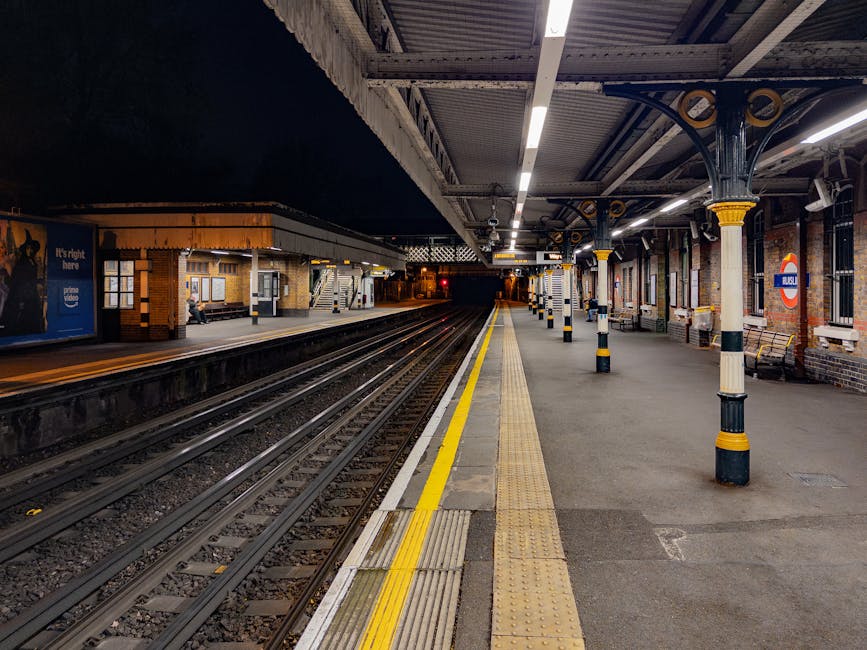
Gardeners near High Barnet tube station for small yards: a practical guide for compact outdoor spaces
If you live close to High Barnet tube station, you already know the area has its own rhythm: busy streets, tight front gardens, narrow side access, and small back yards that can be lovely but a bit awkward to manage. That is exactly why gardeners near High Barnet tube station for small yards are such a good fit for local homes. A compact garden needs more than a quick mow and a tidy-up. It needs smart planning, careful plant choices, and maintenance that respects every inch of space. Done well, even a modest yard can feel calm, green, and surprisingly spacious.
This guide explains what local gardeners actually do in small yards, how the process works, what to expect, and how to avoid wasting money on the wrong approach. It also covers practical decisions, local considerations, and the little details that make a tiny garden feel bigger than it is. Truth be told, small gardens are often the most satisfying to get right.
Table of Contents
- Why Gardeners near High Barnet tube station for small yards Matters
- How Gardeners near High Barnet tube station for small yards Works
- Key Benefits and Practical Advantages
- Who This Is For and When It Makes Sense
- Step-by-Step Guidance
- Expert Tips for Better Results
- Common Mistakes to Avoid
- Tools, Resources and Recommendations
- Law, Compliance, Standards, or Best Practice
- Options, Methods, or Comparison Table
- Case Study or Real-World Example
- Practical Checklist
- Conclusion
- Frequently Asked Questions
Why Gardeners near High Barnet tube station for small yards Matters
Small yards in this part of North London often face the same challenge: they need to do a lot with not much room. You may want somewhere to sit with a coffee, a patch of colour through spring and summer, a safe path to the shed, and maybe a place for children, pets, or a few pots without everything feeling cluttered. That is not a simple "garden tidy" job. It is design, maintenance, and problem-solving rolled together.
Gardeners near High Barnet tube station for small yards matter because local knowledge saves time and avoids awkward mistakes. A gardener who understands compact urban gardens will usually think about access, drainage, shade from neighbouring buildings, privacy, and storage. They will also know when a plant is going to become a nuisance in twelve months. That kind of foresight matters more in a tiny space than in a big one, where you can afford to experiment more freely.
There is another side to it too. Small gardens can become messy quickly. One overgrown climber, one blocked drain, one neglected corner, and suddenly the whole yard feels cramped. A good gardener helps stop that slow drift. They keep things crisp, balanced, and usable. You notice the difference almost at once.
Expert summary: In a small yard, the best gardening work is often the work you hardly notice later because everything simply feels balanced, easy to use, and tidy without looking stripped back.
How Gardeners near High Barnet tube station for small yards Works
The process usually starts with a quick look at the space and a conversation about what you actually want from it. That sounds obvious, but it is where many gardens go wrong. A small yard cannot be everything at once. If you want relaxed seating, low-maintenance planting, and room for storage, something has to give. The best gardeners help you choose what matters most.
In practical terms, a visit often covers five things:
- the layout and how you move through the space
- sunlight and shade through the day
- soil condition and drainage
- existing plants, hard landscaping, and waste
- how much upkeep you realistically want
From there, the gardener may recommend a one-off tidy-up, a planting refresh, pruning, edge definition, lawn improvement, container planting, or regular maintenance. For some small yards, the biggest gain comes from better structure rather than more planting. For others, it is simply a matter of replacing tired, thirsty plants with tougher species that look good with less effort.
Because the space is compact, scheduling is often efficient. A small yard can sometimes be transformed in a single well-planned visit, especially if the job focuses on pruning, waste removal, shaping, and planting rather than major construction. That said, if there are issues like broken paving, poor drainage, or dead hedging, it may take a little more time. Gardening is rarely just gardening, if you see what I mean.
Many local customers also ask about recurring visits. That makes sense. Small spaces often need less dramatic work and more consistent care. A monthly or fortnightly maintenance pattern can keep growth under control and prevent the garden from becoming a weekend chore you keep putting off.
Key Benefits and Practical Advantages
A well-managed small yard delivers more value than people expect. The space may be modest, but the improvements are very noticeable day to day.
1. Better use of every square metre
In a compact garden, every decision affects how the whole space feels. Good gardeners create clear zones for sitting, planting, storage, and movement. Even a tiny strip can work hard if it is planned properly.
2. Less maintenance stress
Small gardens can still become high-maintenance if they are planted badly. The right plants, pruning schedule, and ground cover reduce the time you spend fighting weeds or trimming back over-enthusiastic growth.
3. Stronger visual balance
Spacing, height, and repetition matter far more in a small yard than in a larger one. A few carefully chosen plants can make the whole garden look deliberate instead of cluttered. To be fair, that is usually what people want most: less fuss, more calm.
4. More privacy and comfort
With clever screening, trellis work, or the right planting, a small yard can feel sheltered without becoming boxed in. This is especially useful if nearby windows overlook the space. Nobody wants to sit in a yard that feels like a display case.
5. Better long-term plant health
Small spaces often have compacted soil, awkward sun patterns, and limited root room. A gardener who spots those constraints early can choose plants that will actually thrive rather than struggle on.
6. A garden that suits your routine
Some people want a low-fuss place to sit in the evenings. Others want somewhere family-friendly, pet-safe, or a bit more decorative. Good gardening should fit your lifestyle, not the other way round. Simple enough, really.
| Benefit | What it means in a small yard | Why it matters |
|---|---|---|
| Space planning | Clear zones for sitting, planting, and storage | Makes the garden feel bigger and easier to use |
| Maintenance control | Regular pruning and seasonal care | Prevents the yard from becoming overgrown |
| Plant selection | Choosing compact, resilient plants | Reduces failure and keeps borders tidy |
| Visual calm | Consistent shapes, textures, and heights | Stops a small garden from feeling busy |
If you are comparing providers, it helps to review the wider range of garden services available so you can match the work to the size and condition of your yard. You may also want to look at pricing and quotes early on, simply so expectations stay realistic. Nobody enjoys surprise add-ons.
Who This Is For and When It Makes Sense
This kind of gardening support is a good fit for a lot of people, not just homeowners with a "proper garden." In fact, small yards are often where the help is most worthwhile.
- Flat owners who have a narrow patio, terrace, or enclosed yard
- Homeowners with a compact back garden that needs regular attention
- Landlords trying to keep a small outdoor space presentable between tenancies
- Busy families who want the garden usable without adding weekend workload
- Older residents who need lighter maintenance and safer access
- People selling a property and wanting the outdoor space to look cared for
It makes sense when the garden looks tired, the layout feels awkward, or you simply do not have the time or tools to handle it properly. Sometimes the trigger is more specific. Perhaps the pots are overcrowded. Perhaps one hedge is blocking light. Perhaps the whole space is fine, but it never feels finished. That is a very common situation, honestly.
It may also make sense if you are planning a change in use. A tiny yard can shift from "just there" to something genuinely useful with a few targeted updates. A bench, a raised planter, better edges, and a bit of structure can change how you use the garden every day.
Step-by-Step Guidance
Here is a practical way to approach a small-yard project without overcomplicating it.
- Decide what the garden must do. Sit down and choose the top two or three priorities. For example: seating, low maintenance, and a bit of privacy.
- Measure and observe the space. Notice where sunlight lands, where water sits after rain, and where you naturally walk. Those patterns matter more than people think.
- Clear the obvious clutter. Remove dead plants, broken pots, and anything taking up space without adding value.
- Assess the structure. Look at paving, edging, fences, trellis, and storage. In a small yard, structure often does more than extra planting.
- Choose plants with restraint. Pick varieties that suit the conditions and stay manageable. Fewer, better plants usually beat lots of fussy ones.
- Plan maintenance from the start. Ask how often pruning, feeding, weeding, and seasonal cut-backs will be needed.
- Book the work in a sensible order. Waste removal and pruning often come first, then planting, then detailing and final tidy-up.
- Review the result after a few weeks. Small spaces show issues quickly. If something is too dense or too bare, it can usually be adjusted before it becomes a pattern.
A good local gardener will usually guide you through this without making it feel like a project management exercise. Which, let's face it, is refreshing.
Expert Tips for Better Results
Small yards reward disciplined decisions. Here are the bits of advice that tend to make the biggest difference.
Keep the plant palette tight
Using too many different plants can make a small garden feel busy and visually smaller. Repeat a few shapes, textures, or leaf colours instead. Repetition creates calm.
Use vertical space carefully
Walls, fences, and trellis can carry climbers or hanging plants, but do not overload them. Vertical planting works best when it adds depth, not when it starts to feel like a plant shop in a wind tunnel.
Choose lighter, cleaner lines
Straight edges, simple planters, and defined paths often suit compact yards better than heavy, crowded features. This does not mean boring. It means readable.
Think about sightlines
What do you see when you look out from the kitchen or the back door? That view matters. Place the nicest element where your eye lands first. A small sculptural plant or neat container can lift the whole space.
Do not ignore drainage
A yard that puddles every time it rains will become a nuisance fast. If the surface is holding water, the issue may be with the fall, the paving, or the soil underneath. It is better to sort that early than keep working around it.
Plan for off-season structure
It is easy to make a small garden look good in May. The real test is January. Include evergreen structure, bark texture, or simple architectural planting so the garden still has shape in colder months.
If you want to understand how a local team approaches these jobs responsibly, the pages on about the company and recycling and sustainability can give useful background on working practices and waste handling. That is not glamourous, but it matters. A lot.
Common Mistakes to Avoid
Most small-yard problems come from trying to do too much, too fast, or choosing plants and features that fight the space instead of fitting it.
- Overplanting: cramming in too many shrubs or perennials can make the yard feel tighter within months.
- Using thirsty plants in hot, exposed spots: they will need constant attention and still may struggle.
- Ignoring access: if a gardener cannot reach areas easily, maintenance becomes harder and more expensive.
- Choosing oversized furniture: one chunky bench can dominate the entire yard.
- Leaving weak edging or broken paving: small defects stand out more in a compact garden.
- Skipping the maintenance plan: a lovely tidy-up means very little if growth gets out of hand again in three weeks.
A subtle but common mistake is wanting the garden to look "finished" immediately. Small yards usually improve best in stages. You sort the bones, then the planting, then the detail. A bit here, a bit there. That pace is often far more durable.
Tools, Resources and Recommendations
You do not need a warehouse of equipment to maintain a small yard well, but the right tools make the job cleaner and quicker. A decent gardener will normally arrive prepared, yet it helps to know what the work may involve.
Useful tools for small-yard gardening
- sharp secateurs for clean pruning
- hand shears for shaping and trimming
- spade or border fork for planting and soil work
- lightweight rake for clearing debris without damaging plants
- watering can or hose setup suited to the layout
- gloves, bags, and waste containers for tidy removal
Helpful types of work to consider
- seasonal pruning and deadheading
- weed control and border refreshes
- container planting for colour and flexibility
- hedge trimming where privacy matters
- small-lawn care if the yard includes grass
- pressure or surface cleaning where hard landscaping needs attention, provided it is suitable for the materials
From a customer point of view, it is also sensible to check practical business pages before booking. The site's insurance and safety information and health and safety policy are useful places to confirm that work is being handled with care. For payment questions, payment and security details can help avoid confusion later.
If you are ready to speak with someone, the simplest next step is often to use the contact page and explain the yard size, what feels wrong, and what you want the space to become. A good brief usually gets a better result than a vague one.
Law, Compliance, Standards, or Best Practice
For small-yard gardening, most of the relevant concerns are about best practice rather than heavy regulation. Still, a trustworthy gardener should work in a way that respects property, safety, waste handling, and clear communication.
In the UK, it is normal to expect sensible care around tools, ladders, chemicals, and site access. If a job involves working near boundaries, shared access routes, or fragile surfaces, that should be discussed in advance. Good practice also means protecting neighbouring property, keeping pathways clear, and avoiding unnecessary damage to plants or hard landscaping.
Waste handling is another area where standards matter. Garden waste should be dealt with responsibly, and where material can be recycled or reused appropriately, that is usually the better option. You do not need legal jargon for that. You just want the garden cleared properly and responsibly. Fair enough.
It is also reasonable to check business terms before committing. Pages such as terms and conditions, privacy policy, and complaints procedure help set expectations about booking, data use, and how issues are handled. That kind of transparency builds trust, even if you never need to use it.
For readers who want an inclusive service experience, the accessibility statement is another useful page to review. It can be reassuring when a business is clear about how it supports different access needs.
Options, Methods, or Comparison Table
Not every small yard needs the same type of help. In many cases, the right option depends on how much change the space needs and how often you want support.
| Approach | Best for | Pros | Trade-off |
|---|---|---|---|
| One-off tidy-up | Overgrown or neglected small yards | Fast visual improvement, clears the starting point | Needs follow-up maintenance to stay neat |
| Seasonal refresh | Gardens that are mostly fine but look tired | Updates planting and tidies growth at key times | Less suitable if the layout itself is poor |
| Regular maintenance | Busy households or landlords | Keeps the garden manageable all year | Ongoing cost, though often less stressful overall |
| Design-led makeover | Spaces that feel awkward or underused | Improves function, layout, and appearance together | More planning needed up front |
For a lot of High Barnet households, the sweet spot is somewhere between a tidy-up and a maintenance plan. You get the immediate improvement without letting the space slide again. Small yard, sensible approach. That tends to win.
Case Study or Real-World Example
Imagine a small enclosed yard near the station area: a narrow paved space, a tired border, one overgrown climber, and a few pots that have become a bit of a dumping ground. The owners want somewhere to sit after work without feeling boxed in. They do not need a full redesign, just a garden that feels intentional.
The work starts with clearing clutter, cutting back the climber, and lifting anything dead or crowding the edge. Then the layout is simplified so there is a clear sitting zone and a cleaner route to the back gate. A few well-chosen containers add height and softness without blocking movement. The planting is kept restrained, with better-matched species that are easier to maintain through the year.
The difference is not dramatic in a flashy way. It is quieter than that. The yard feels easier to walk through, easier to use, and easier to keep neat. On a wet evening in early autumn, that matters more than a big dramatic feature. You can open the back door, step out, and not feel annoyed by what you see. Honestly, that is the win.
Practical Checklist
Use this checklist before booking or starting work on a small yard near High Barnet tube station.
- Decide the main purpose of the garden: seating, planting, privacy, low maintenance, or a mix
- Measure the space and note any awkward access points
- Check where the sun falls and where shade lingers
- Identify problems such as weeds, broken paving, poor drainage, or overgrowth
- Set a realistic maintenance level for the future
- Choose compact, resilient plants rather than filling every gap
- Ask how waste will be removed and handled
- Review service details, including service options and quotes
- Confirm safety, insurance, and payment arrangements
- Plan the first follow-up visit or seasonal check-in
If you tick all of those boxes, you are already ahead of the game.
Conclusion
Gardeners near High Barnet tube station for small yards are not just there to trim, tidy, and leave. The right gardener helps a compact outdoor space work properly for real life. That means better layout, less clutter, healthier planting, and a garden that feels like part of the home rather than an extra job on your list.
Small yards can be deceptive. They look simple, then suddenly they are not. But with the right approach, they become some of the most rewarding spaces to improve because every good decision is visible. A little structure. A little restraint. A bit of patience. And suddenly the space breathes again.
Get a free quote today and see how much you can save.
If you are ready to take the next step, start with a clear brief, ask sensible questions, and look for a team that understands both practical gardening and the realities of compact urban spaces. A small yard can be quietly brilliant, and it is worth getting right.
Frequently Asked Questions
What do gardeners near High Barnet tube station usually do for small yards?
They usually handle tidying, pruning, planting refreshes, weed control, edging, container planting, and ongoing maintenance. For compact yards, the focus is often on making the space feel cleaner, easier to use, and less crowded.
How often should a small yard be maintained?
That depends on the plants and how quickly the space grows, but many small yards benefit from regular seasonal care or monthly visits. If the space has fast-growing shrubs or lots of containers, more frequent attention may be useful.
Is a small yard worth professional gardening help?
Yes, often more than a larger garden. Small spaces show problems quickly, so a few well-judged changes can make a big difference. A professional can also help avoid overcrowding and poor plant choices.
Can a gardener make a tiny yard look bigger?
Usually, yes. Clever planting, simpler lines, better sightlines, and less clutter can make a small garden feel more open. You are not changing the square footage, obviously, but you can change how the space reads.
What should I tell a gardener before they visit?
Explain what you want the space to do, what problems you have noticed, and whether you want low maintenance, privacy, more colour, or a place to sit. Clear priorities help a lot.
Do small yards need special plants?
They do not need exotic plants, but they do need the right ones. Compact, resilient species usually work better than large or aggressive growers. Matching the plant to the light and soil matters more than trendiness.
How much work can be done in one visit?
Quite a lot, if the job is focused. A small yard can often be transformed in a single tidy-up or maintenance session. Bigger changes, such as drainage or layout work, naturally take longer.
What are the biggest mistakes in small-yard gardening?
The main ones are overplanting, using oversized furniture, ignoring drainage, and not planning for maintenance. A small yard needs breathing room as much as it needs plants.
Should I choose one-off work or regular visits?
If the garden is badly overgrown, start with a one-off tidy-up. If the space is already in decent shape but tends to slip, regular visits are usually the better long-term option.
How do I know if a gardening quote is fair?
A fair quote should clearly reflect the size of the space, the amount of labour needed, the waste involved, and whether materials are included. If you are unsure, compare what is covered rather than just looking at the headline number.
Are there safety or insurance details I should check?
Yes, absolutely. It is sensible to review insurance, safety practices, and business terms before booking. That helps protect both you and the property, especially if the work involves tools, ladders, or access through tight spaces.
What is the best next step if my small yard feels overwhelming?
Start with a simple assessment: what stays, what goes, what must be fixed, and what you want the garden to feel like. Then ask for advice and a quote. Once the clutter is gone, the rest usually feels much easier.